







Optimising Your Supplements To Get The Best Results

Written by: Pippa Thackeray
Written on: 30 March 2025
You might think your supplement routine is perfect, but there’s more to consider than just what you’re taking.
It is worth taking other considerations, such as food pairings and timing into account. In this article, we discuss how to maximise the benefits and ensure your supplements are working for you as effectively as possible.
How can I make my supplement routine more effective?
Timing your supplements for maximum absorption
When it comes to supplements, timing matters.
- Vitamin B12: It's advisable to take vitamin B12 in the morning to prevent the release of energy that B vitamins can encourage from disturbing your sleep.
- Magnesium: This mineral can promote relaxation and improve sleep quality. Taking it in the evening is often recommended for this reason.
- Consistency and routine: Taking supplements at the same time each day helps maintain nutrient and substance levels in your body at a steady and predictable pace. Moreover, many people find it more memorable to follow a routine.
You can read our dedicated article for a full breakdown of when to take your supplements.
Should you take supplements with or without food?
Some nutrients are best absorbed on an empty stomach, while others need food, particularly fats or proteins.
Supplement timing is a broad area, with many variables — so here is a quick introduction:
Those best taken on an empty stomach
Water-soluble vitamins such as vitamin C and B vitamins dissolve easily in water and absorb quickly without food. By contrast, iron is more efficiently absorbed without food, but caffeine, calcium, and fibre can interfere with absorption.
Those best taken with food
Fat-soluble vitamins include vitamins A, D, E, and K. They require (health-promoting) dietary fat, such as avocado, nuts, or olive oil, for the best chances of absorption.
- Minerals: Magnesium and zinc are better tolerated with food to prevent the possibility of causing nausea.
- Probiotics: Taking them with meals, particularly those high in prebiotic fibre, helps beneficial bacteria survive stomach acid.
Other common supplementation mistakes to avoid
Taking supplements with your brew?
Many beverages like tea can include tannins. Tannins can bind to substances such as non-heme iron, reducing absorption by up to 50%. They may also affect protein, calcium, and zinc. Therefore, it is worth re-evaluating if you tend to swallow your supplements down with a cup of tea. Water or juice is preferable.
Dosage: Too little or too much?
Taking too much of a certain supplement can be damaging for your health. Likewise, underdosing may mean you don’t get the intended benefits. For certain nutrients, such as those which are fat-soluble, it may be that a consultation with a nutritionist or taking a self-test can get you on the right track.
What are the top 3 priority supplements to take?
- Omega-3 fatty acids: Essential for cognitive function, cardiovascular health, and reducing inflammation. Since many people don’t get enough from diet alone, supplementation becomes even more important.
Consider: Nordic Naturals Ultimate Omega - Probiotics: Vital for gut health, digestion, immune support, and even mental wellbeing through the gut-brain axis. A diverse microbiome is increasingly linked to overall health.
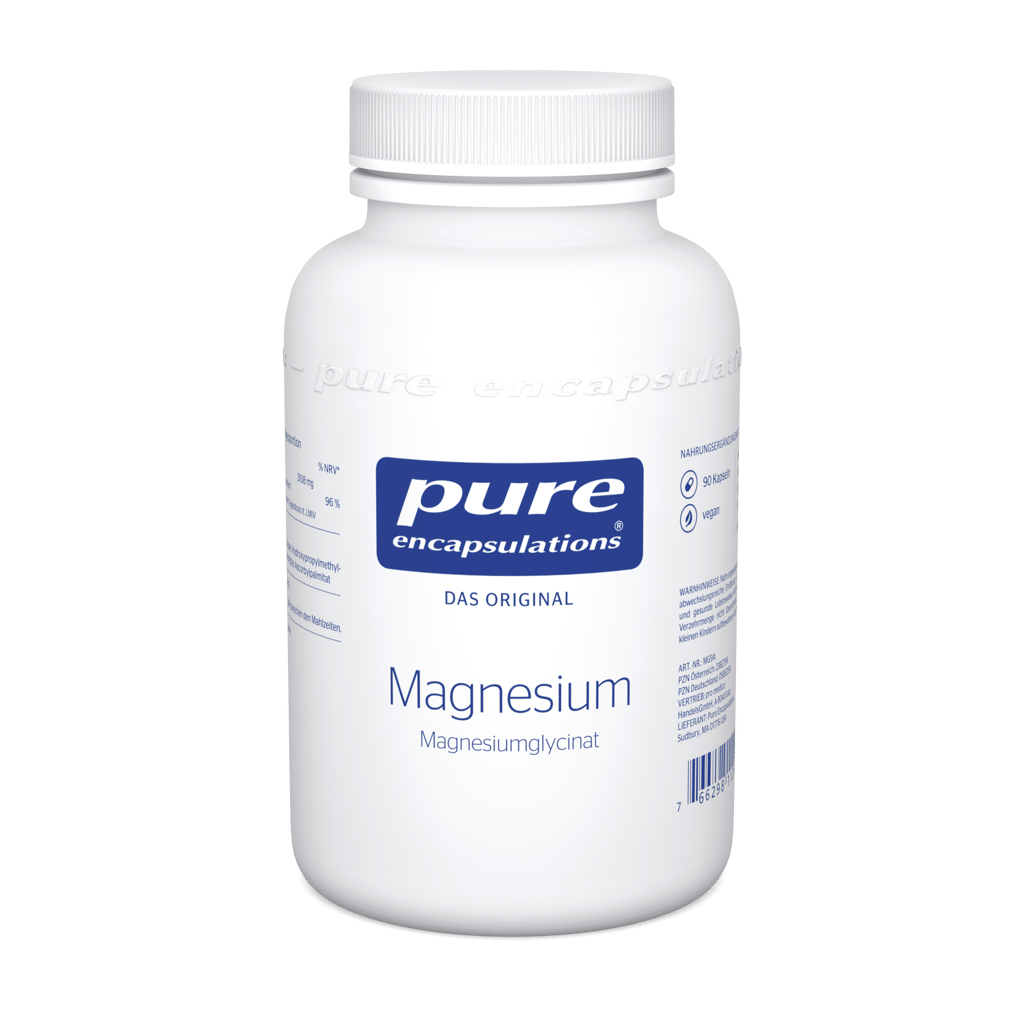
Consider: Organic Olivia Not Your Average Probiotic - Magnesium: Involved in hundreds of biochemical reactions in the body, including muscle and nerve function, sleep regulation, and stress reduction. Many people are deficient due to soil depletion, as well as modern dietary habits and lifestyle factors.
Consider: Pure Encapsulations Magnesium (glycinate)






What supplements should I take for noticeable wellbeing benefits?
If visible radiance is what you seek from your wellbeing routine, then taking supplements wisely is key.
Aligning supplements with your wellbeing routine
Your supplement routine should complement your other wellbeing efforts to reinforce the synergy of other habits such as sleep hygiene, detoxification, gut health, and exercise.
Exercise performance and recovery
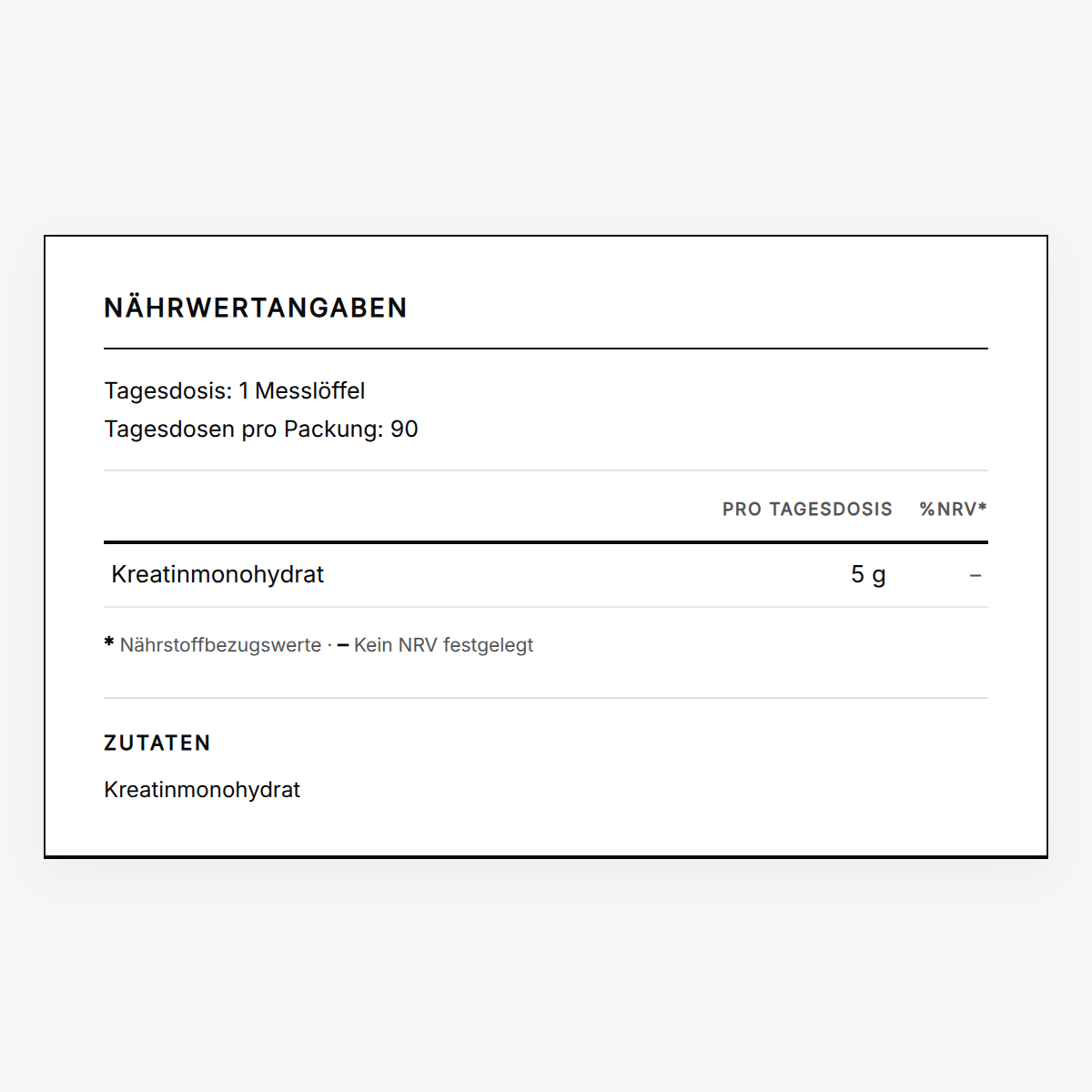
- Creatine and BCAAs can support muscle recovery and performance when taken before or after workout. Consider: Thorne Creatine
- Electrolytes (magnesium, potassium, sodium) help maintain proper hydration and prevent muscle cramps, especially after intense exercise. Consider: LMNT Recharge Electrolytes - Variety Pack
- Iron and vitamin C are important for endurance, as iron supports oxygen transport, while vitamin C enhances absorption.
Stress reduction and mental wellbeing
- Adaptogens like ashwagandha and rhodiola can help manage cortisol levels and stress when taken consistently. Consider: Momentous Ashwagandha
- Omega-3 fatty acids and magnesium support brain function and can help reduce anxiety symptoms.
- Probiotics and gut health supplements may influence mood and cognitive function through the gut-brain axis.
Diet and proper digestion
Alongside your nutrition plan, use elements like digestive enzymes and probiotics to your advantage to improve nutrient absorption and gut health.
What to remember
Supplements don’t work in isolation. The way they interact with your diet, daily routine, and even your morning brew can change their impact. A little consideration goes a long way.



References:
- Iron Absorption and Inhibitors – https://pmc.ncbi.nlm.nih.gov/articles/PMC7019700/
- Interactions Between Nutrients and Absorption Mechanisms – https://pmc.ncbi.nlm.nih.gov/articles/PMC11557730
- Effects of Dietary Tannins on Iron Absorption – https://pmc.ncbi.nlm.nih.gov/articles/PMC2681046/
- National Institutes of Health (NIH) Guidelines on Vitamin and Mineral Absorption – https://www.ncbi.nlm.nih.gov/books/NBK56060/
- Magnesium and Cardiovascular Health – https://pubmed.ncbi.nlm.nih.gov/38999209/
- The Role of Probiotics in Gut and Mental Health – https://pmc.ncbi.nlm.nih.gov/articles/PMC5622781/
- Impact of Polyphenols on Iron Bioavailability – https://pmc.ncbi.nlm.nih.gov/articles/PMC5998341/
- Vitamin and Mineral Deficiencies in Different Diets – https://pubmed.ncbi.nlm.nih.gov/36637075/
- Dietary Influences on Iron Metabolism – https://pubmed.ncbi.nlm.nih.gov/34505026/
- Probiotics and Their Effect on Immune Function – https://pmc.ncbi.nlm.nih.gov/articles/PMC9818925/
- Comprehensive Review on Magnesium Supplementation – https://pmc.ncbi.nlm.nih.gov/articles/PMC4455825
- Creatine and Its Role in Muscle Recovery – https://pmc.ncbi.nlm.nih.gov/articles/PMC7649274/
- Effects of Electrolyte Imbalances on Athletic Performance – https://pubmed.ncbi.nlm.nih.gov/36235655/
- The Role of Adaptogens in Stress and Cortisol Regulation – https://pubmed.ncbi.nlm.nih.gov/22150427/
- Nutrient Timing and Supplement Absorption – https://pmc.ncbi.nlm.nih.gov/articles/PMC10608302/
- Magnesium's Influence on Sleep Quality – https://pubmed.ncbi.nlm.nih.gov/37417662/
- Vitamin C and Iron Absorption – https://pmc.ncbi.nlm.nih.gov/articles/PMC6979308/
- Omega-3 Fatty Acids and Brain Health – https://pmc.ncbi.nlm.nih.gov/articles/PMC3155223/
- Effects of Ashwagandha on Stress and Anxiety – https://pubmed.ncbi.nlm.nih.gov/28445426/
- Probiotic Supplementation for Gut Microbiome Balance – https://pmc.ncbi.nlm.nih.gov/articles/PMC6324500/
This article is for informational purposes only, even if and regardless of whether it features the advice of physicians and medical practitioners. This article is not, nor is it intended to be, a substitute for professional medical advice, diagnosis, or treatment and should never be relied upon for specific medical advice. The views expressed in this article are the views of the expert and do not necessarily represent the views of Healf
Pippa is a content writer and qualified Nutritional Therapist (DipNT) creating research-based content with a passion for many areas of wellbeing, including hormonal health, mental health and digestive health.
As a contributor to The Healf Source, she regularly attends seminars and programmes on a plethora of contemporary health issues and modern research insights with a drive to never stop learning. In addition, interviewing experts and specialists across The Four Pillars: EAT, MOVE, MIND, SLEEP.
In her spare time, she is an avid swimmer, mindfulness and yoga lover, occasionally bringing a raw, honest approach to the topics she faces. You may also discover some personal accounts of eye-opening wellbeing experiences amidst the reality of a disorientating, and often conflicting, modern wellbeing space.